For more than 160 years,the people behind Downer have delivered solutions that connect communities, drive industry, and sustain economies across Australia and New Zealand.
Leading with purpose. Today, Downer is Australia and New Zealand’s leading provider of integrated infrastructure services, with more than 26,000 people supporting thousands of customers and enabling the lives of millions.
A trans-Tasman transformation. Downer becomes a true trans-Tasman organisation, bringing together our Australian and New Zealand operations and commencing a multi-year transformation program. We also launch our new purpose: “Enabling communities to thrive.”
In October, Downer enters into an agreement to sell the Open Cut Mining East business, completing the divestment of all Mining businesses.
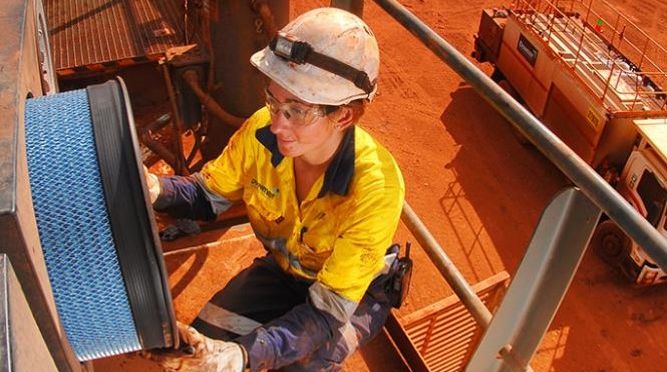
Downer completes its compulsory acquisition of Spotless, acquiring the remaining 12% of shares in October. Spotless now forms the core of Downer’s Facilities services.
Downer announces a review of its carbon and capital-intensive Mining businesses in August.
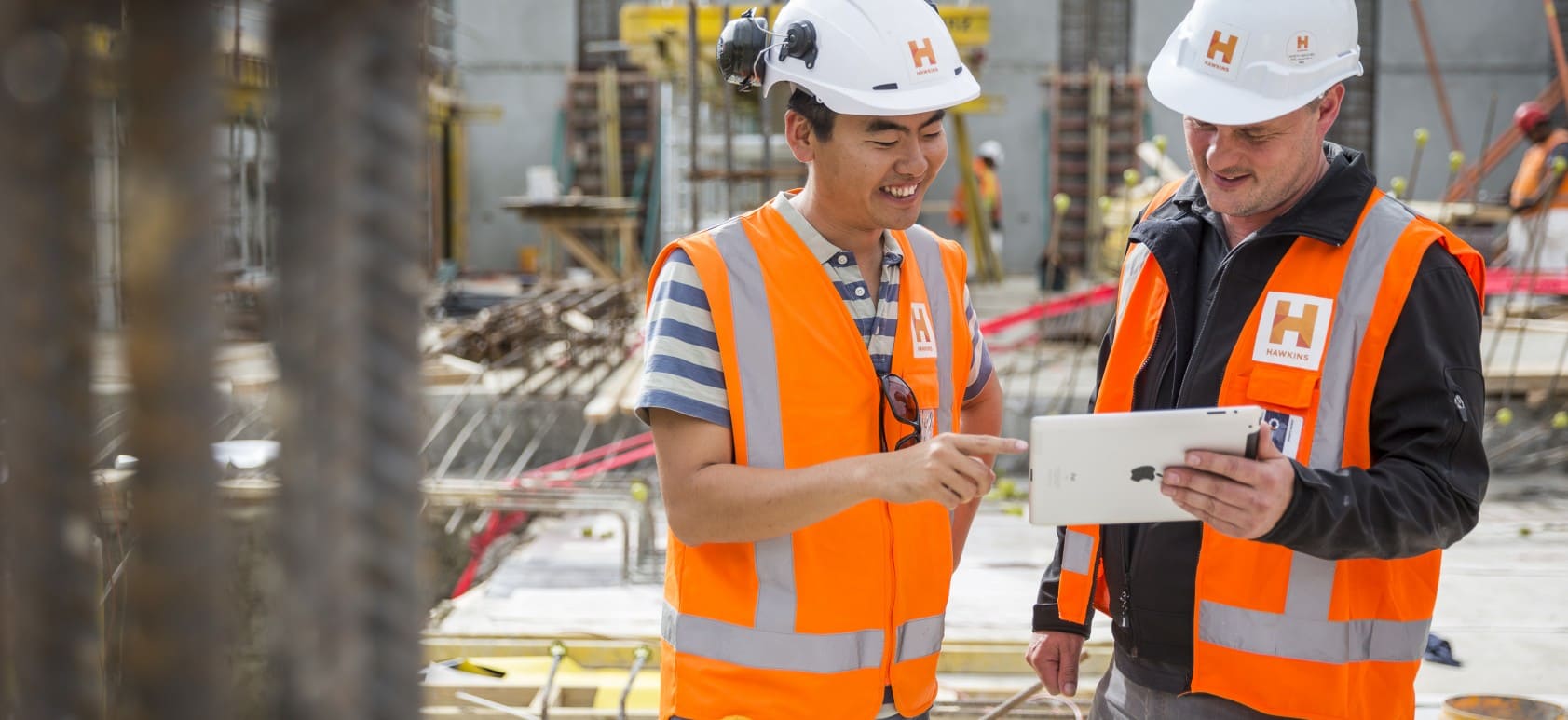
Downer purchases one of New Zealand’s largest construction firms, Hawkins, in March. Downer takes a controlling interest of 87.8% in Spotless on 28 August.
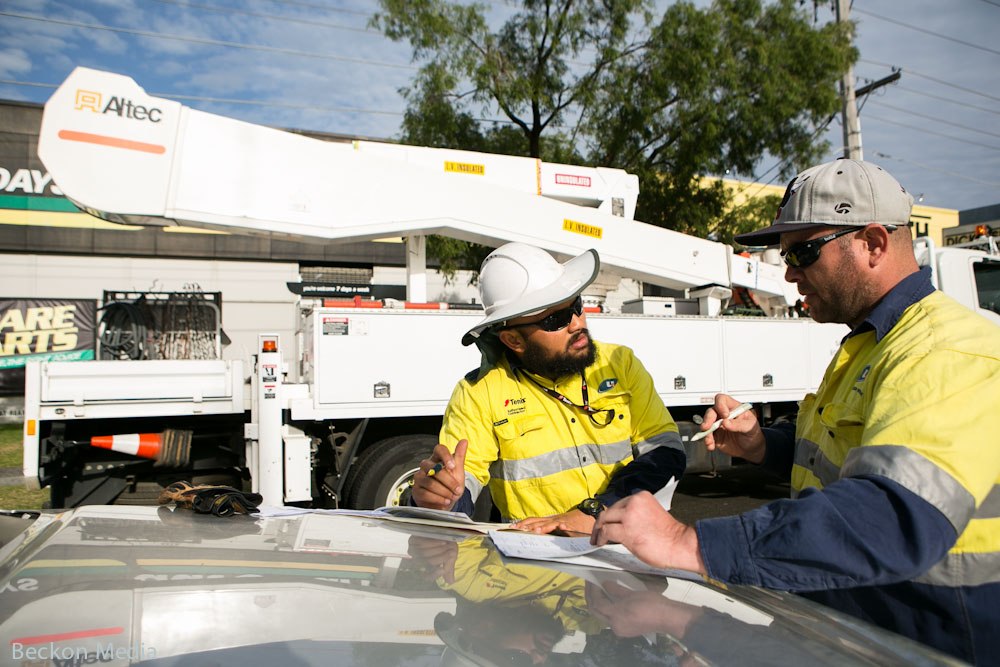
Downer purchases Tenix Holdings Australia, a leader in the electricity, gas and water sectors in Australia. The Tenix acquisition formed the basis of the Downer Utilities business.
Downer purchases one of Australia’s biggest road surfacing companies, Emoleum
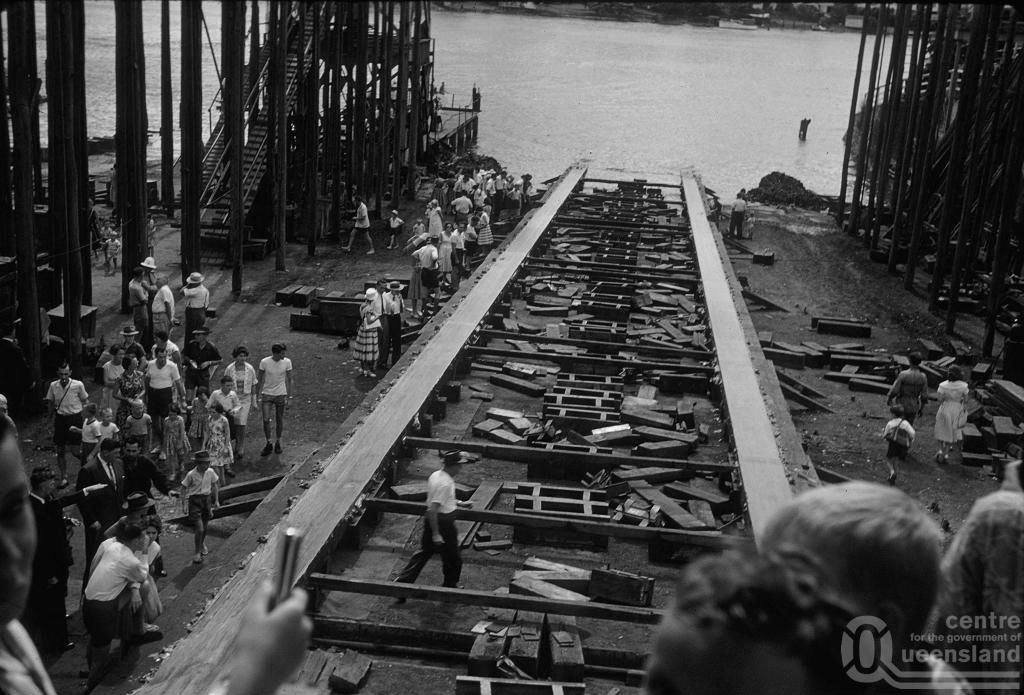
Downer merges with Evans Deakin Industries in March to become Downer EDI. Evans Deakin Industries formed Downer’s Rail business.
Bitumix, New Zealand’s third largest operator in the sealing and road maintenance industry, is purchased by Downer.
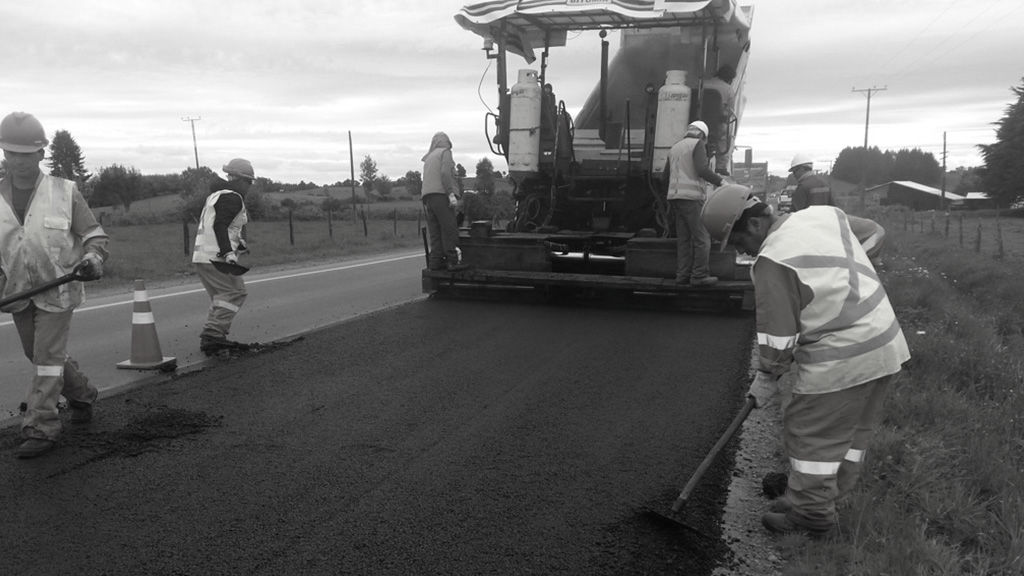
Downer listed on the Australian Securities Exchange, laying the foundations for growth through acquisitions in Australia and New Zealand. Downer also purchased Technic Group, a leading roads contractor and industry supplier founded in 1914, specialising in pavement design, construction, and civil engineering works.
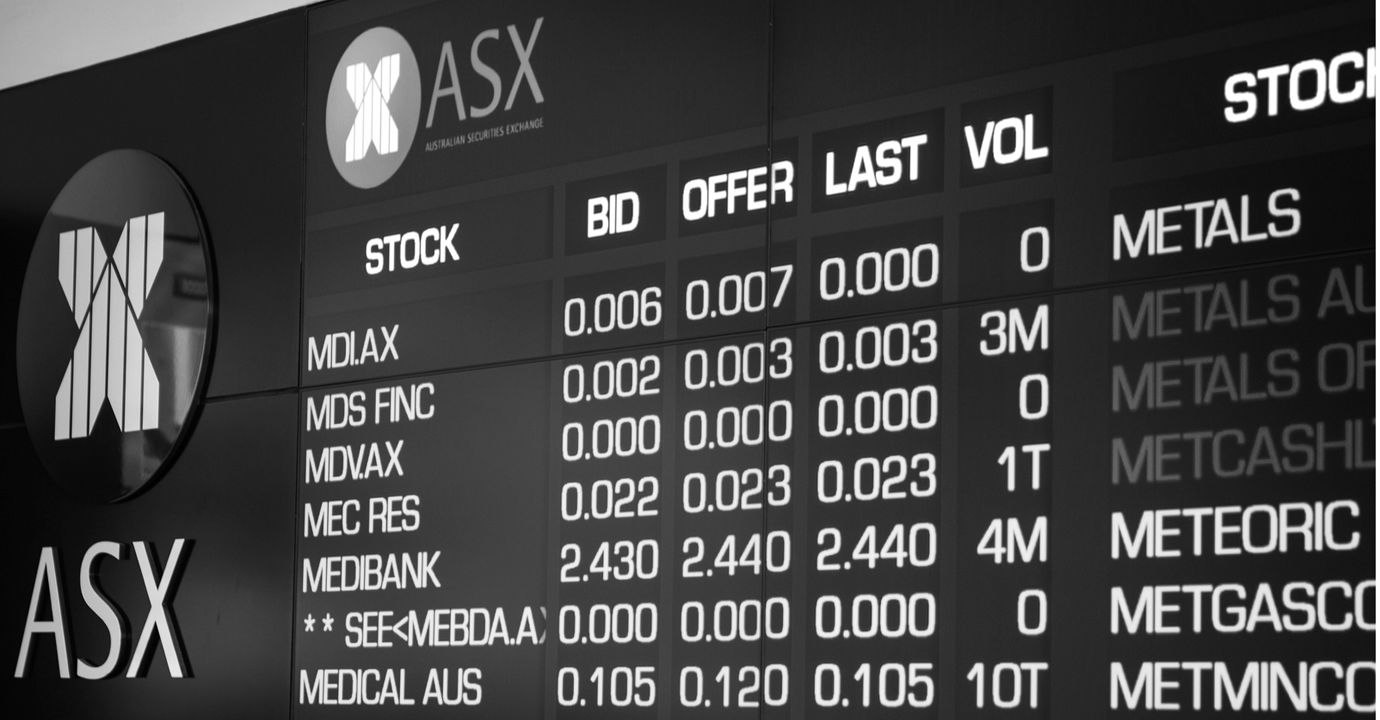
Downer acquires New Zealand’s Works Civil Construction, formerly the Public Works Department, which had been privatised in 1988.
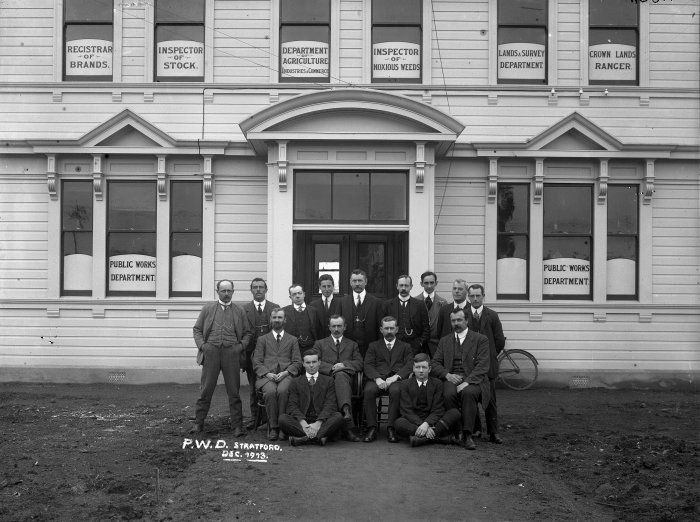
Engineering firm and locomotive manufacturer, A&G Price Limited, merges with William Cable Holdings and Downer to form Cable Price Downer. Cable Price Downer was one of the biggest engineering businesses in New Zealand at that time.
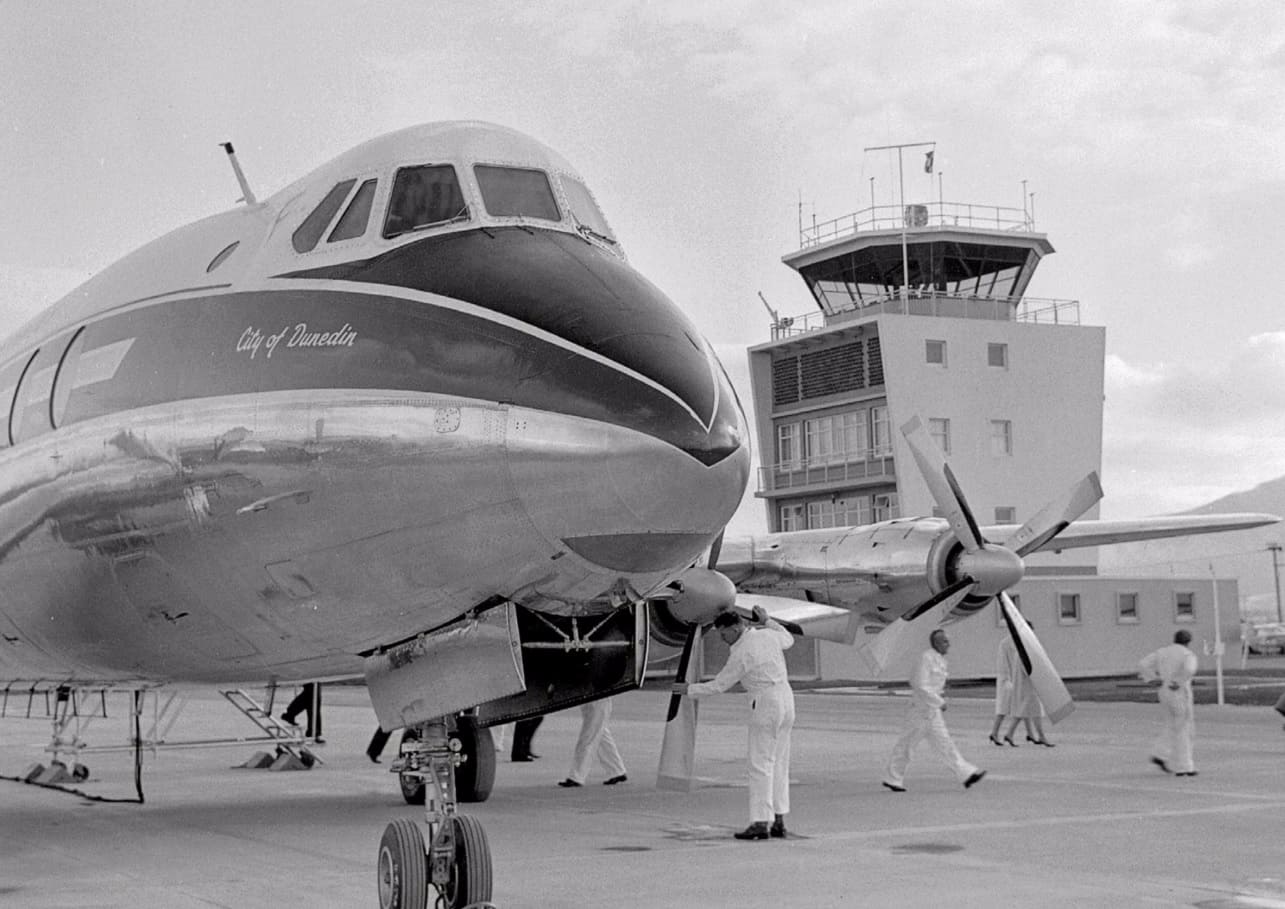
Downer merges with and becomes a major subsidiary of William Cable Holdings. Arnold Downer had long been a director of William Cable Holdings, which was eager to expand upon its construction activities. A joint venture was advantageous to both parties.
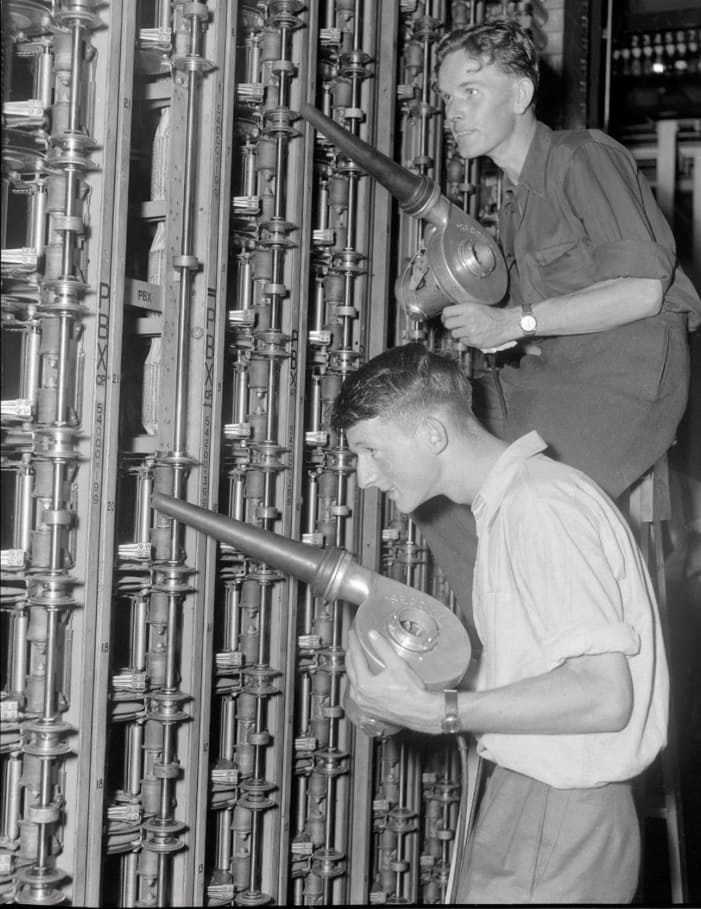
Spotless is founded as a dry-cleaning business in Melbourne. In 1957, the business was incorporated as Spotless Pty Ltd and was listed on the Australian Securities Exchange as Spotless Limited in 1961. In the same year, Hawkins was founded by builder and Kiwi entrepreneur Fred T. Hawkins. From small beginnings in Fred’s garage, Hawkins has grown to be one of New Zealand’s largest vertical construction companies.
Downer & Co is formed in Wellington, New Zealand, on 5 July by Arnold Downer, George McLean, Billy Mill and Arch McLean. Arnold Downer, born in Victoria and raised in New Zealand, is where the ‘Downer’ name originates. He was a talented engineer and entrepreneur who spent his early days working at the Public Works Department and serving in World War I.
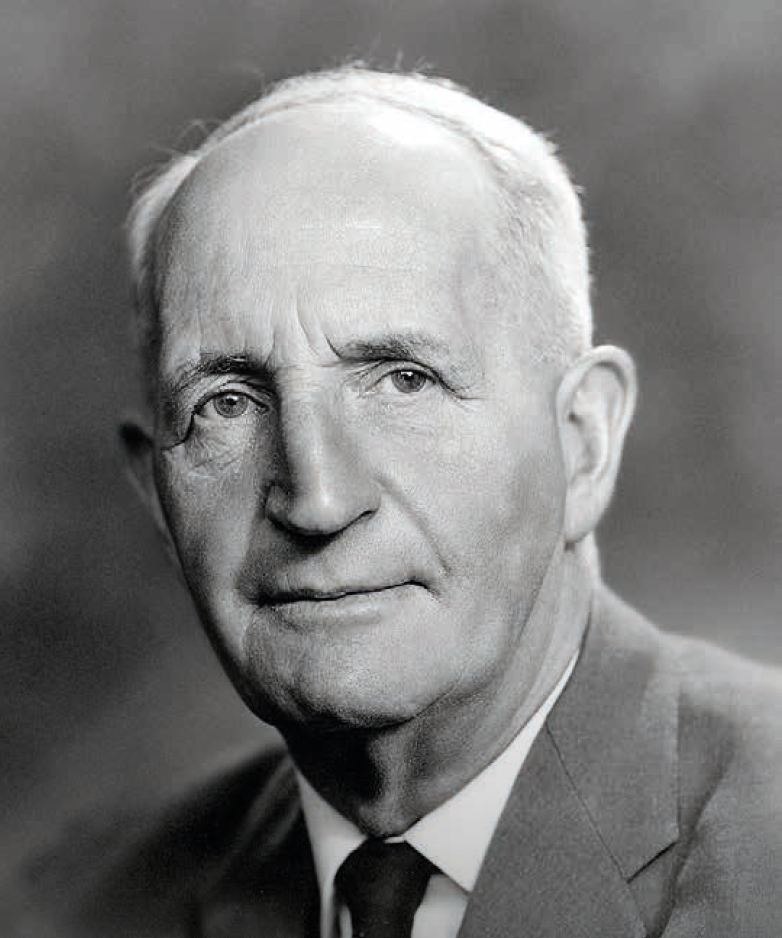
Roche Brothers, a civil engineering and contract mining company, is founded. Roche Brothers pioneered the use of backhoe tractors, helping Australia to be at the forefront of open cut mining technology. Roche Brothers was sold to Downer in 1997, forming Downer’s Mining division.
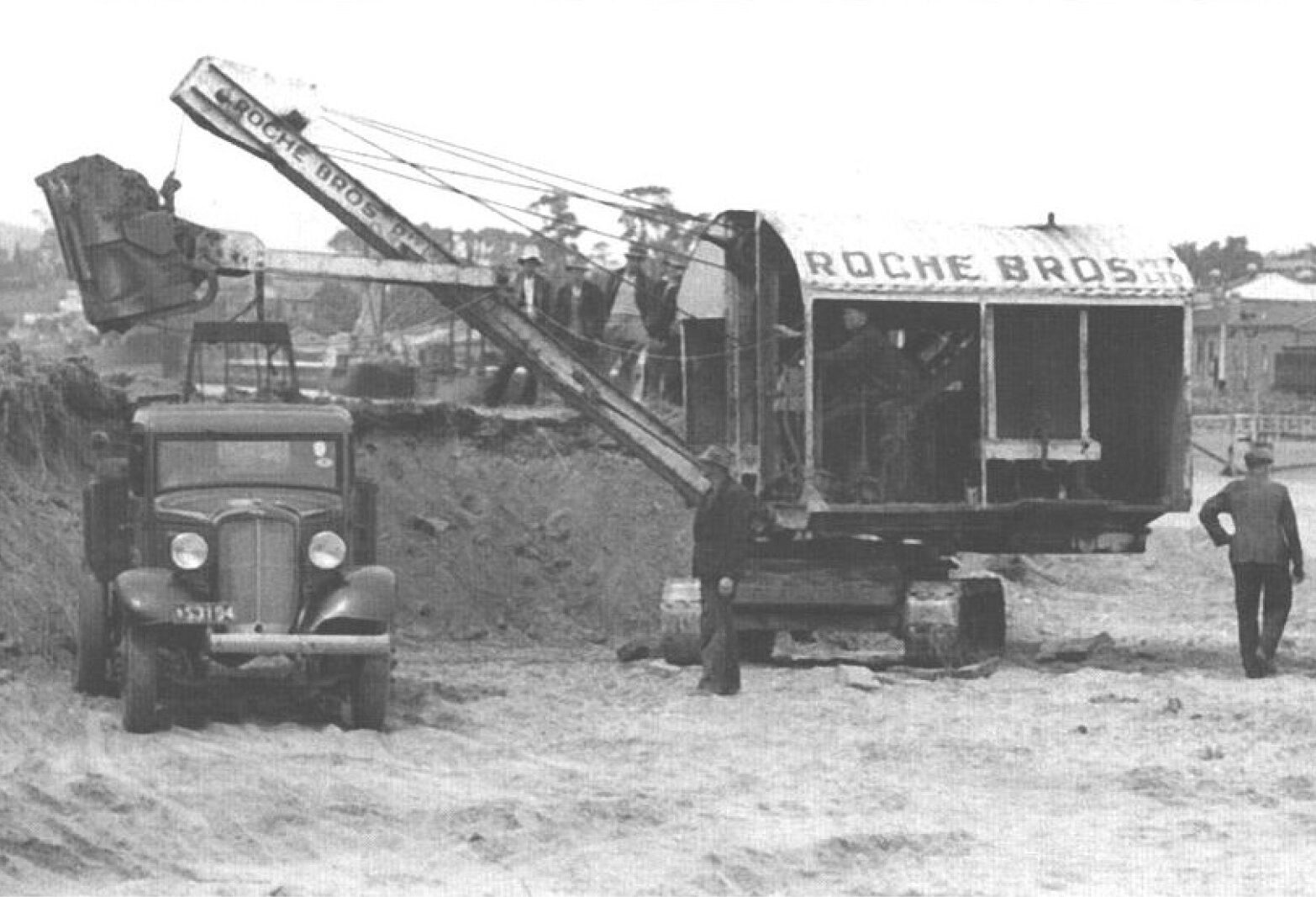
Engineering and shipbuilding company Evans Deakin Industries is formed, initially as a supplier of engineering equipment before diversifying into rollingstock production and steel manufacturing. In 1980, Evans Deakin Industries bought Walkers Limited, and in 1996 the company purchased Clyde Engineering.
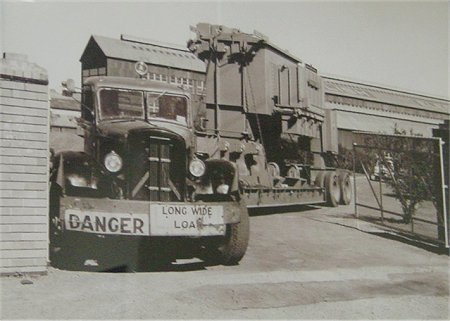
Clyde Engineering is founded by a syndicate of Sydney businessmen. The company won contracts for railway rollingstock, sewerage systems, trams and agricultural machinery. In 1907, Clyde was awarded its first large contract for steam locomotives for the New South Wales Government Railways.
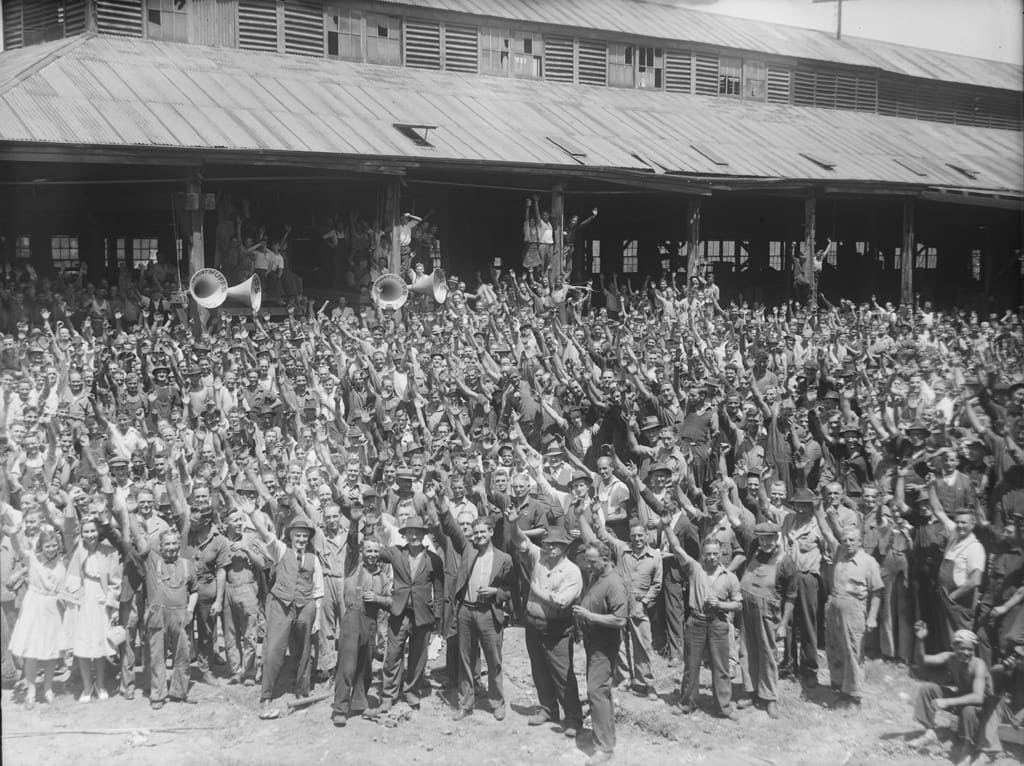
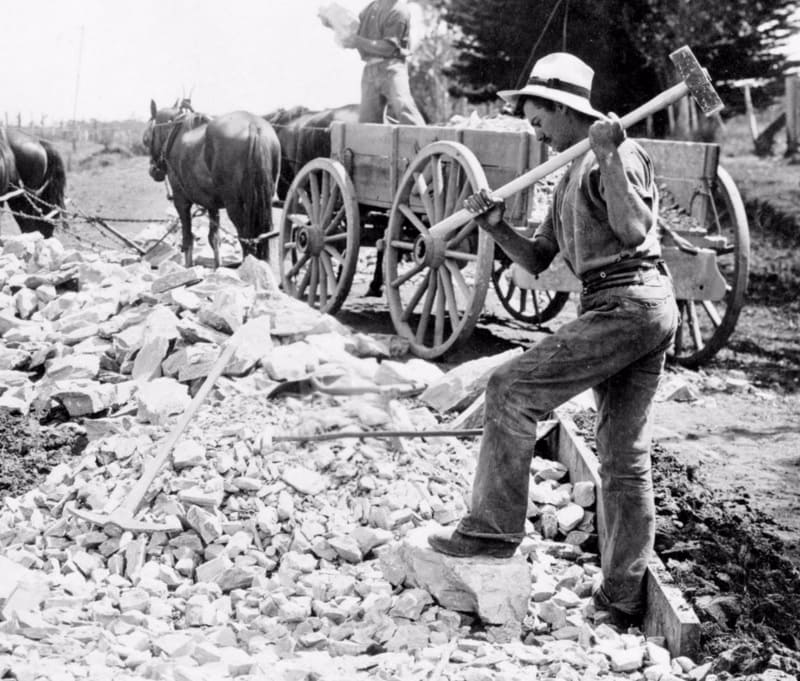
New Zealand’s Public Works Department is established to develop cross-country transportation and lift the New Zealand economy. The department built railways, roads and water races across the country.
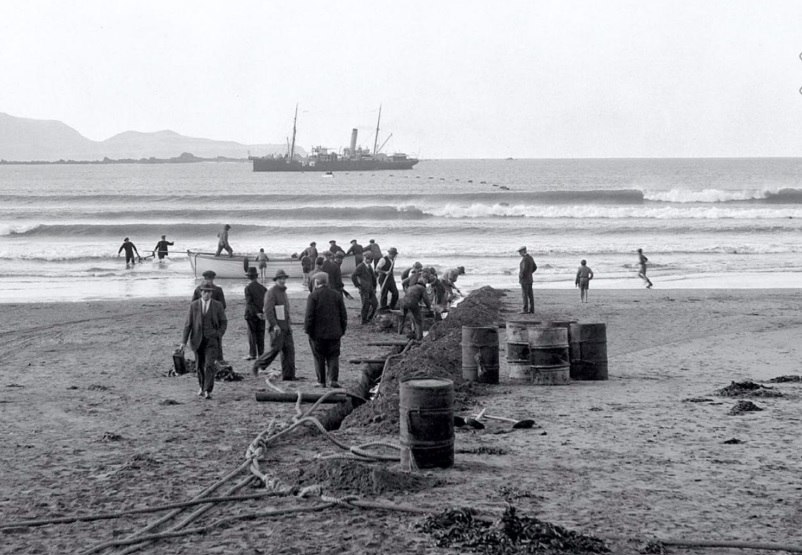
The Electrical Telegraph Department is established in New Zealand. In 1880, the Electrical Telegraph Department and the Post Office merged to create an enlarged NZ Post and Telegraph Department (P&T).
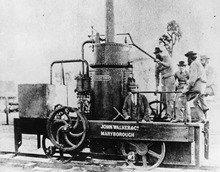
John Walker sets up the Union Foundry of John Walker & Co in Ballarat. Renamed Walkers Limited in 1888, the company produced parts for machinery for railway rollingstock and ships. In 1869, they opened a branch in Maryborough, Queensland, which is still in operation today. In 1873, Queensland’s first locomotive was built in Maryborough.