
Sustainable project delivery in Australia’s resources sector now takes more than operational expertise. It relies on genuine, values‑aligned partnerships that create lasting opportunities for communities.
Downer’s work with Woollahra Group, a 100% Indigenous-owned business, demonstrates what this looks like in practice.
Together, we’re opening up real career pathways for Indigenous talent well by focusing on long-term outcomes rather than single projects.
While Downer spent over $65 million with Indigenous suppliers in FY24, this partnership goes further than procurement. It’s built on shared goals: strengthening Indigenous businesses, building capability, and creating sustainable employment opportunities.
More Than Procurement
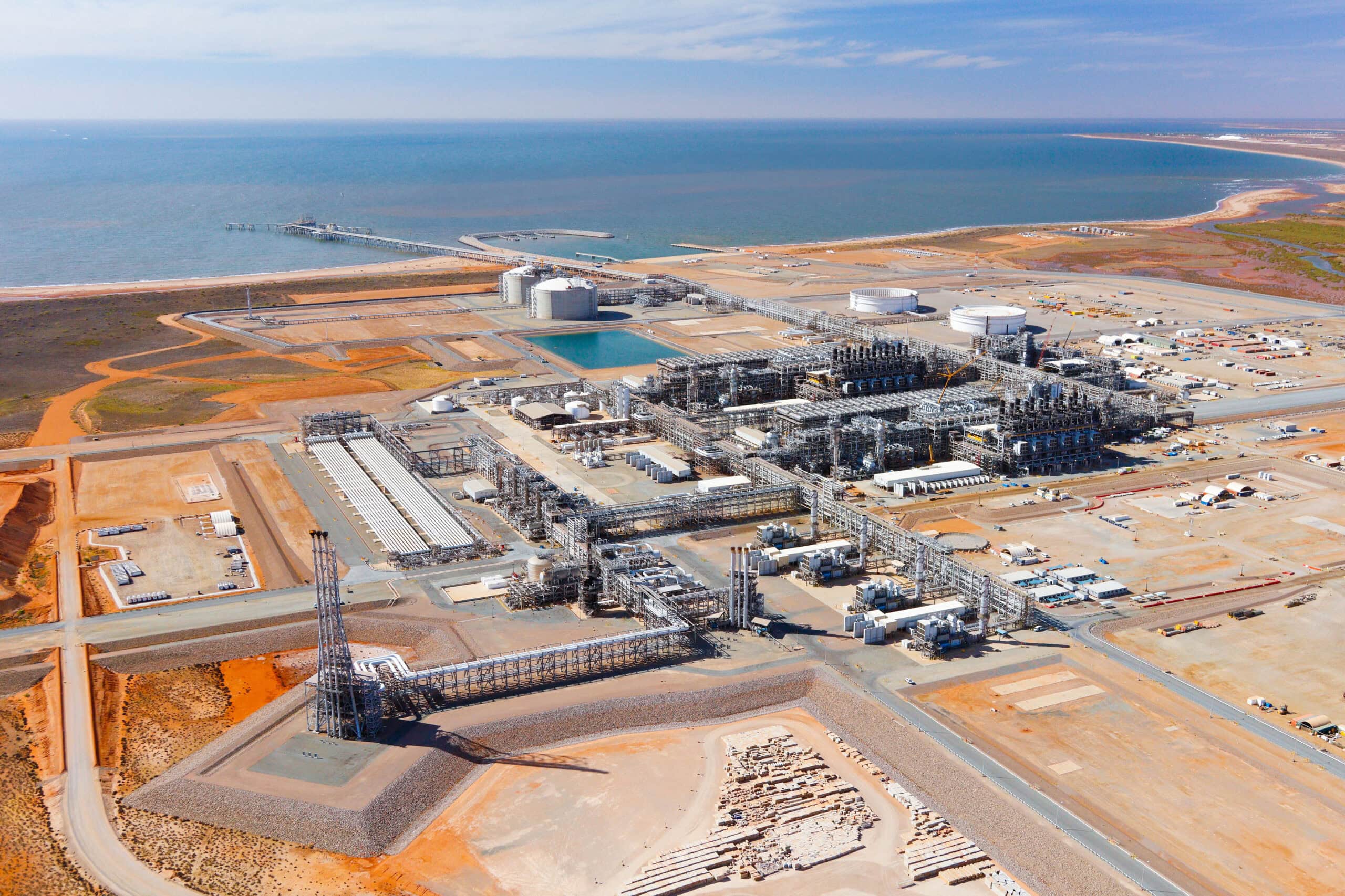
Downer provides integrated services to support Chevron’s operations in Western Australia, including quarantine, logistics, and chemical supply services critical to ongoing production.
Woollahra is engaged by Downer to supply chemicals for Chevron’s Barrow Island and Wheatstone operations, and its business model reinvests revenue directly into Indigenous communities in WA to support cultural, environmental, education, and employment initiatives.
Closing the Gap Between Training and Employment
A key challenge in many training programs is the gap between finishing a qualification and finding ongoing work. Downer and Woollahra tackled this head-on by giving trainees hands-on experience at Downer’s Perth Quarantine Facility.
This is where participants can earn the highly sought-after “Blue Tag” accreditation required to work on Barrow Island – a major advantage in a sector where this qualification can be difficult to obtain. This means graduates leave with both a Certificate III and industry-specific credentials that make them truly job-ready.
A Traineeship Designed to Work
Students begin in Year 12 with paid, school-based placements, then move into full-time traineeships supported by Woollahra, including mentoring, transport, and practical assistance.
Downer complements this with technical training and one-on-one supervision, helping trainees build real, job-ready skills.


Real Outcomes for Participants
The program’s first participants, Jarome and Dante, highlight the impact. Both moved from school-based roles into full-time traineeships, supported with practical needs like driving lessons, transport, and even help buying their first car.
Today:
- Jarome has his driver’s licence and owns his own vehicle.
- Dante has completed his supervised hours and is progressing toward full accreditation.
These are the everyday barriers that often derail ongoing employment, and this program has been designed to remove them.
Small, Focused and Growing
The program is intentionally small to maintain quality, but it’s expanding. Woollahra has introduced Year 10 students to build a longer pipeline, with the first participant already progressing through the program.
Future plans include adding qualifications such as White Cards, Forklift Licences, and chemical handling training to further strengthen job readiness.
A Model the Industry Can Build On
What Downer and Woollahra have created is more than a traineeship. It’s a model that can be replicated across industry. It works because it’s built on real partnership, cultural understanding, and clear links to long-term employment.
As companies face increasing pressure to demonstrate genuine social impact, this approach offers a practical way forward in supporting communities, strengthening supply chains, and creating lasting change.
Discover more View all

North and South Canterbury Network Outcomes Contracts
How Downer kept Canterbury’s State Highways moving Overview For around...
Read case study
North Canterbury Transport Infrastructure Recovery
Reconnecting communities after the Kaikōura earthquake Overview Following the 7.8-magnitude...
Read case study
Stronger Christchurch Infrastructure Rebuild Team (SCIRT)
Rebuilding the foundations of a city Overview Following the Canterbury...
Read case study