
Hydrogen-powered generator demonstration delivers lower-emissions power at Melbourne Airport, Victoria.
As the aviation industry works towards a lower-emissions future, airports are increasingly looking for practical ways to reduce the environmental impact of their operations and infrastructure projects. From investments in Sustainable Aviation Fuel (SAF) to the adoption of lower-emissions technologies on the ground, innovation is playing an important role in supporting the sector’s decarbonisation journey.
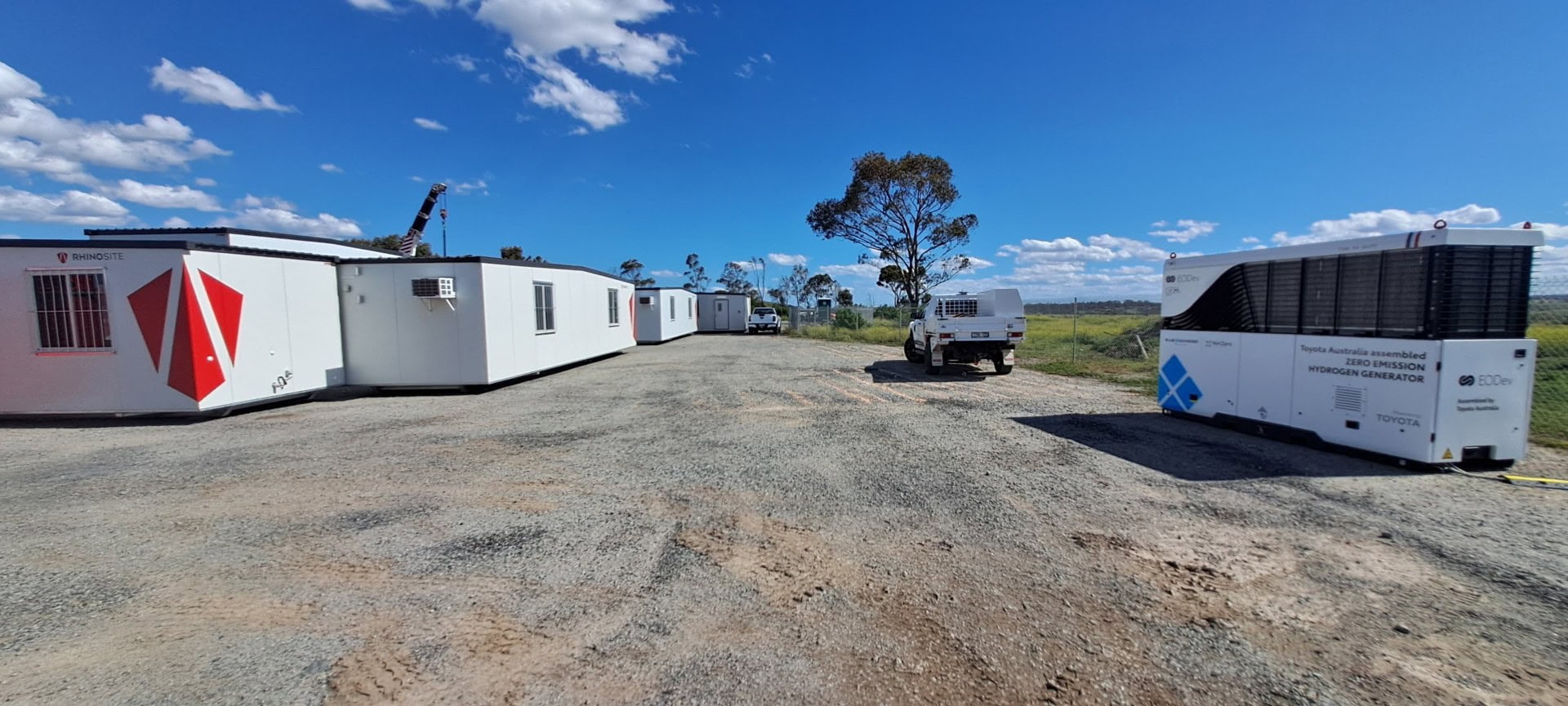
At Melbourne Airport, Downer’s Airports team is contributing to that effort through a hydrogen-powered generator demonstration supporting major runway strengthening works. The project provided an opportunity to explore how alternative energy sources can reduce emissions while maintaining the reliability and performance required in a live operational environment.
Like many large infrastructure projects, the site compound required a dependable source of off-grid power. With limited access to fixed electricity and strong sustainability expectations, the team spent more than 12 months assessing alternatives to diesel generation.
Installed and commissioned in December 2025, Toyota’s locally assembled EODev GEH2® hydrogen fuel cell generator now supports the project compound.
The results have been encouraging. Between December 2025 and April 2026, the generator reduced lifecycle carbon emissions by an estimated 16.4 tonnes compared with a conventional diesel generator – a 68 per cent reduction. The generator has also proven well-suited to a live airport environment thanks to its quiet operation and zero on-site emissions.
Hydrogen Project Video“Hydrogen emerged as a practical choice, balancing reliability, emissions reduction and cost certainty, and Melbourne Airport provided the right environment to demonstrate the technology in action,”
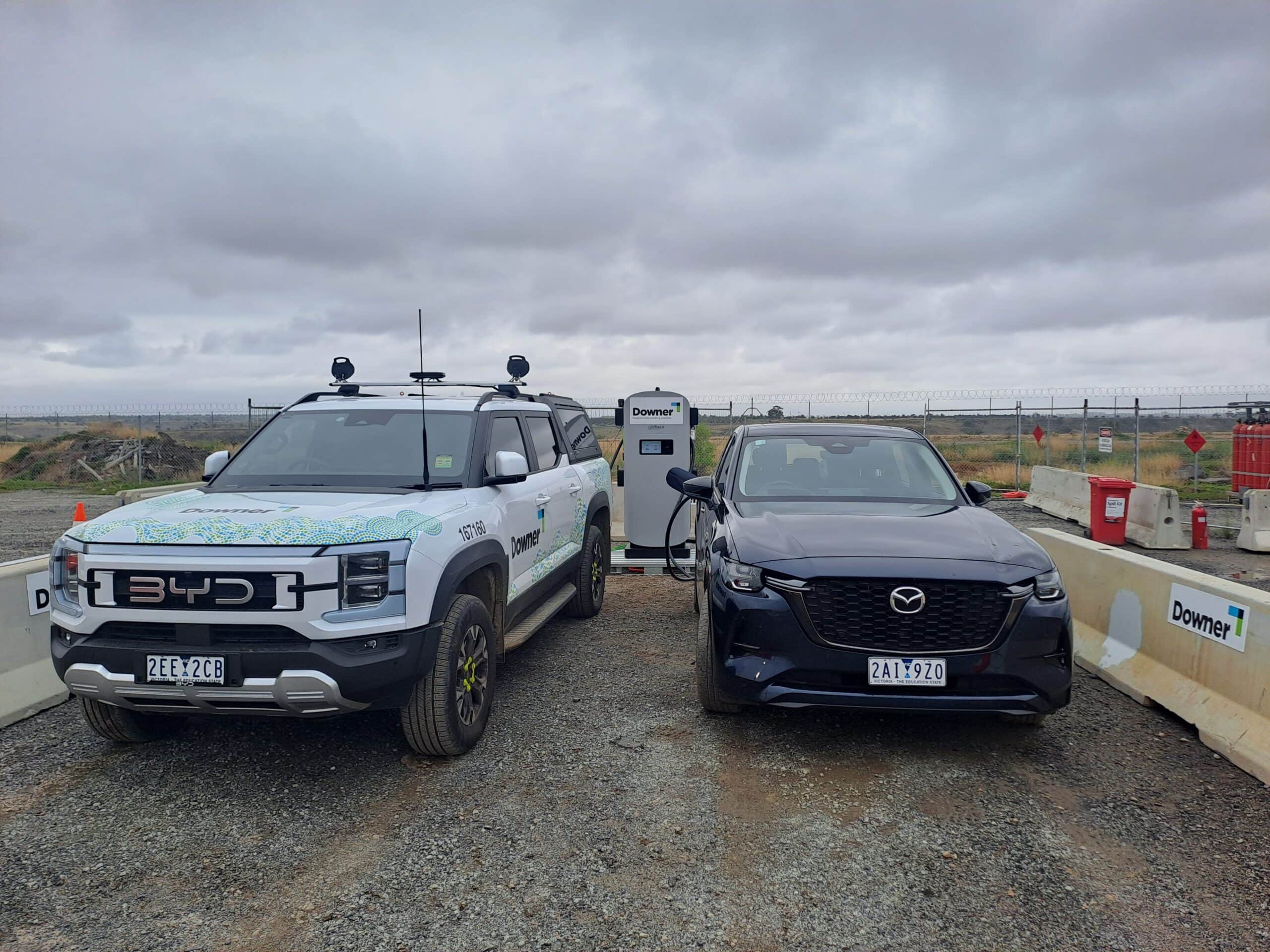
In addition to powering the project compound, the hydrogen generator has enabled zero-emission EV charging onsite, supporting the company’s broader sustainability initiatives while reducing reliance on diesel-powered equipment and vehicles.
The success of the demonstration highlights the role collaboration can play in advancing lower-emissions infrastructure solutions. By bringing together expertise from Melbourne Airport, Toyota Motor Corporation Australia and Downer’s Transport and Infrastructure’s team, the project has turned emerging technology into a practical, real-world application.
“As technology develops, it makes sustainable alternatives more attractive and cost-effective. It also represents a mindset shift, ensuring sustainability is considered alongside cost and quality when delivering infrastructure projects,” Riaan says.