
How do engineers choose transmission tower structures?
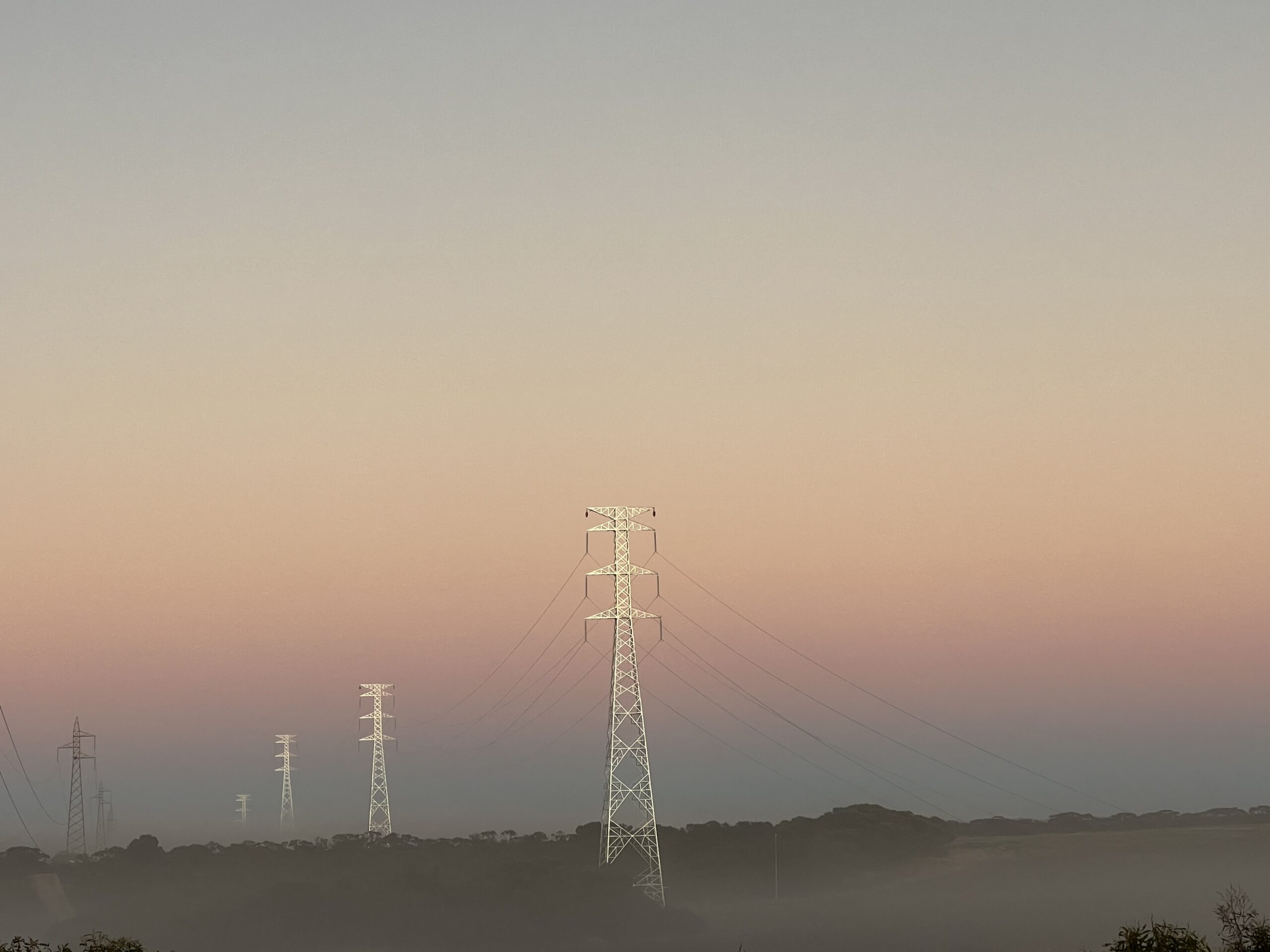
When people look at a transmission tower, they often see a steel structure carrying electricity across the landscape, which looks like all the others across the country.
I see its uniqueness and the hundreds of engineering decisions behind it.
Every transmission line is different, and selecting the right tower structure is about much more than choosing a standard design. It’s about understanding the environment, the network requirements and the long-term performance expected from infrastructure that may operate for 50 years or more.
Having worked on transmission projects of all sizes and on all kinds of terrains across Australia, one thing I’ve learned is that there is no one-size-fits-all solution.
Understanding the environment
One of the first things we assess is the terrain.
Ground conditions, elevation changes, access constraints and span lengths all influence the type of structure we select and the foundations that support it. A tower crossing steep or challenging terrain may require a very different solution to one located in open agricultural land. Building a line in a populated area or where space is constrained leads to consideration of poles over towers as an alternative.
The goal is always to develop a design that’s safe, efficient and suited to the conditions it will operate in.

To most people, a transmission tower is just part of the landscape. To me, it’s the result of hundreds of engineering decisions that shaped it. Every tower is unique, and every challenge demands its own solution.
Designing for load and performance
Transmission towers are designed to withstand a range of forces throughout their life. Their main task is to hold up the conductors that carry the electricity, through all weather conditions. Utilities have their own requirements for clearances and maintenance practices, so flexibility in design is important.
When selecting a tower structure, we consider factors such as conductor weight, span length, wind loading, temperature variations and extreme weather conditions. These factors influence everything from tower geometry and height through to steel member sizing and foundation design.
Ultimately, we’re designing infrastructure that must safely support the line, maintain required electrical clearances and perform reliably for decades.
Balancing environmental and community considerations
Many transmission corridors pass through environmentally sensitive areas, bushfire-prone regions or locations with unique community considerations.
As engineers, we need to balance these factors alongside technical requirements. The challenge is finding a solution that delivers network performance while responding appropriately to the environment and surrounding community.
Designing for construction
Good engineering doesn’t stop at the drawing board.
One of the advantages of working at Downer is having specialist in-house design, drafting, project management, and construction teams working closely together. Our engineers work directly with construction crews to develop practical, buildable solutions that improve safety, delivery efficiency and long-term asset performance.
That collaboration often leads to better outcomes because the people designing the infrastructure understand how it will be constructed and maintained in the field. The designers also go to site regularly and get very forthright advice from the crews on improvements to the ‘standard’ designs. Queries from Site are answered very quickly because we are one team who succeed together.
Experience matters
Transmission design requires both technical expertise and practical experience.
Our teams have delivered more than 700 kilometres of transmission line and 22 substations across Australia in the past five years alone. We also have experience designing to the requirements of major network operators including Powerlink, Transgrid, Evoenergy, AusNet and ElectraNet, as well as AS/NZS 7000, AS 2067 and other Industry Standards.
That breadth of experience helps inform the decisions we make on every project.
Planning for the future
Transmission infrastructure is built for the long term, which means we don’t just design for today’s conditions.
We’re increasingly considering how climate change may influence asset performance over time, including higher temperatures, changing weather patterns and more frequent extreme weather events. Building resilience into transmission infrastructure is becoming an increasingly important part of the design process.
The assets we design today need to continue performing safely and reliably for future generations.

The bottom line
Choosing a transmission tower isn’t simply about selecting a structure from a catalogue.
It’s about balancing terrain, loading, environmental considerations, constructability, climate resilience, safety and long-term performance, and Customer requirements to determine the right solution for the network.
That’s what makes transmission engineering both challenging and rewarding. Every tower tells a story of the decisions, expertise and experience that sit behind it.